
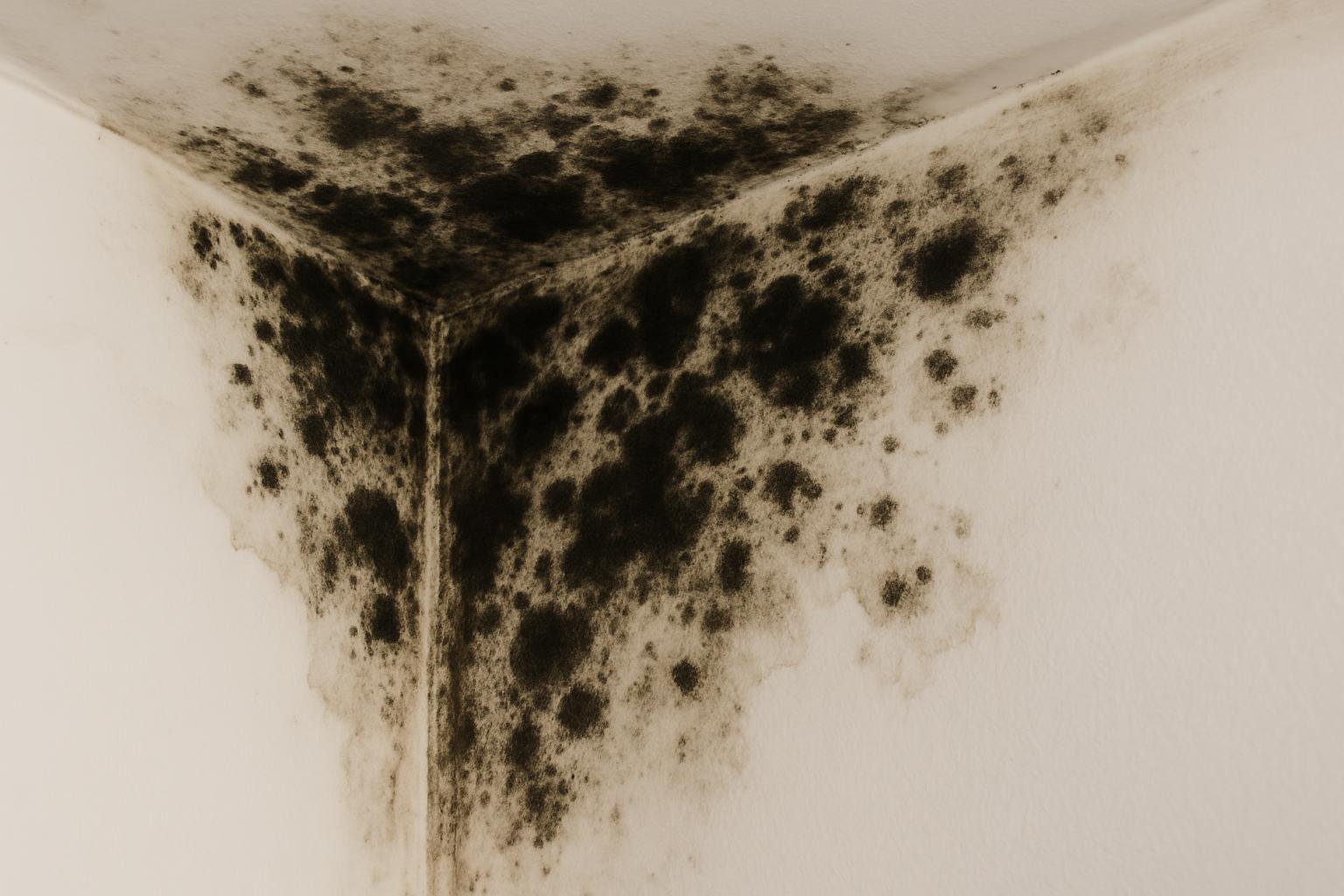
Separate the current concern from the repair history
Photograph the ceiling from floor level and identify the affected section. Note its relationship to the shower, doorway, exhaust grille and any reported leak above. Avoid reaching into vents, removing panels or disturbing damaged materials.
List previous work with dates and available descriptions. “Ceiling repainted” and “plumbing leak repaired” describe different actions. If the record says only “bathroom fixed,” ask the person who arranged the work for more detail before making another appointment.
- When were the marks first noticed?
- What work was carried out, and on which area?
- How long passed before marks were noticed again?
- Are any other rooms or ceilings affected?
Describe everyday use and maintenance access
Give the investigator a straightforward description of how the room is used and which ventilation features are present. Record any known maintenance concern, unusual noise or earlier complaint about the exhaust system. Report observations without trying to service the equipment.
For a condo, gather management correspondence about nearby pipework or earlier access requests. Ask who needs to attend and which spaces require permission to enter. This can help prevent an investigation from ending early because relevant information or access was missing.
- Use a dated room log instead of scattered messages.
- Include a wide photograph showing the whole layout.
- Keep reports from earlier contractors together.
- Identify the contact responsible for arranging access.
Request findings before selecting another finish
Ask whether the proposed visit will investigate moisture as well as visible growth. Request a clear distinction between what was observed, what remains uncertain and what work is recommended next.
DOSH’s workplace guidance includes controlling leaks and keeping building materials dry among microbial-control measures. For a household bathroom, that supports a useful question about moisture; it does not make the workplace code a domestic requirement. Keep any repainting proposal connected to the findings about the underlying condition.
Sources & further reading
DOSH: Industry Code of Practice on Indoor Air Quality 2010, sections 3.1–3.2Questions about this topic
Does recurring ceiling mold prove that the earlier contractor failed?
The record may not establish that. Ask what the earlier work included and what conditions were checked, then compare it with the current findings.
What should a useful follow-up explain?
It should describe the area reviewed, relevant observations, remaining access or investigation needs, and how proposed work relates to the concern you reported.